If really, then hold your heart because you are going to read the life of a thrilling species of this ...
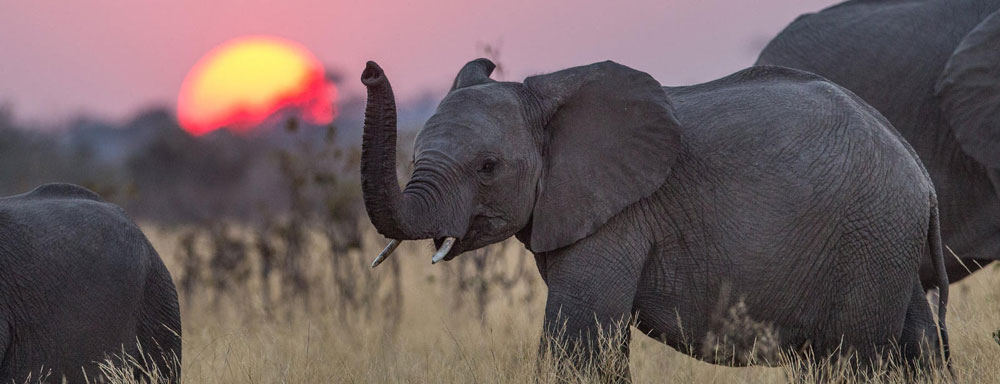
The Indian Wild Elephants is one of the biggest land animals living on the Earth. Indian elephant .. ...
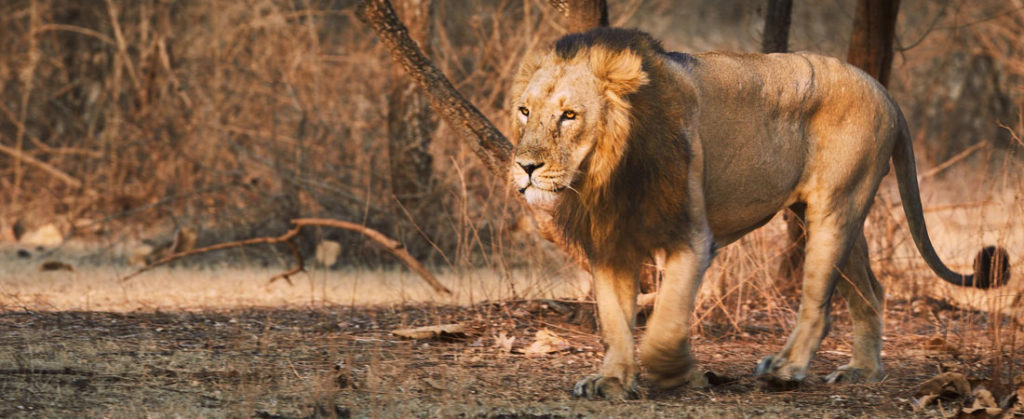
The Asiatic lion is a lion population in Gujarat, India, which is listed as Endangered on the IUCN Red ...
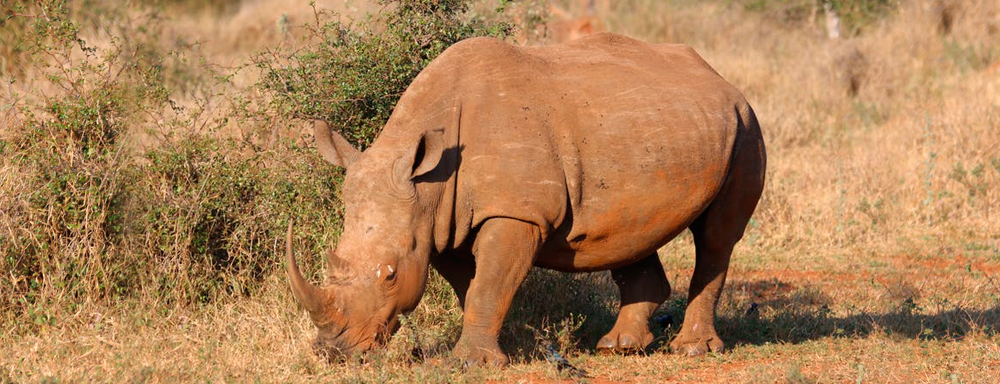
The Indian rhinoceros, also called the greater one-horned rhinoceros and great Indian rhinoceros, is a ...
India is considered one of the most valuable treasures of nature since this huge country has the largest number of various wildlife animals in India species on its territory. Whether the snow-capped Himalayas or the tropical rainforest of the Western Ghats, each destination is a new experience of exploring and discovering amazing creatures that reside in this land.
These well-known species are on the front burner of all travelers when they develop their plans to go on an Indian wildlife adventure. The king of the beasts is the Royal Bengal Tiger that stands out in the list of national animals in India, swaying through dense forests with inimitable artistry.
The Indian elephants shower in streams around the forest clearing, and the one-horned rhino makes his stampede in the Assamese fields. Asiatic lions dominate the arid sceneries of Gujarat, with the leopards displaying their prowess on multiple grounds.
Ranthambore National Park provides an excellent view of tigers against the ruins of an ancient fortress. Jim Corbett National Park gives an exciting experience with elephants coupled with the first tiger reserve experience in India. Kaziranga National Park is home to the largest population of one-horned rhinoceros in the world. Outside Africa, the only existing and home place of Asiatic lions is Gir National Park.
Bandhavgarh National Park also has the highest number of tigers in India and thus a good place to have the guaranteed wildlife photography. Rudyard Kipling found his muse in his homeland, Kanha National Park, a diverse ecosystem that is the setting of his masterpiece, The Jungle Book. Periyar Wildlife Sanctuary integrates boat safaris with visits to spice plantations, which produce unique nature experiences.
The forests of India ring with sounds of exotic wild animals in India which had inspired imaginations all over the world. These Indian animals denote the natural heritage of the country itself and attract millions of people interested in wildlife every year.
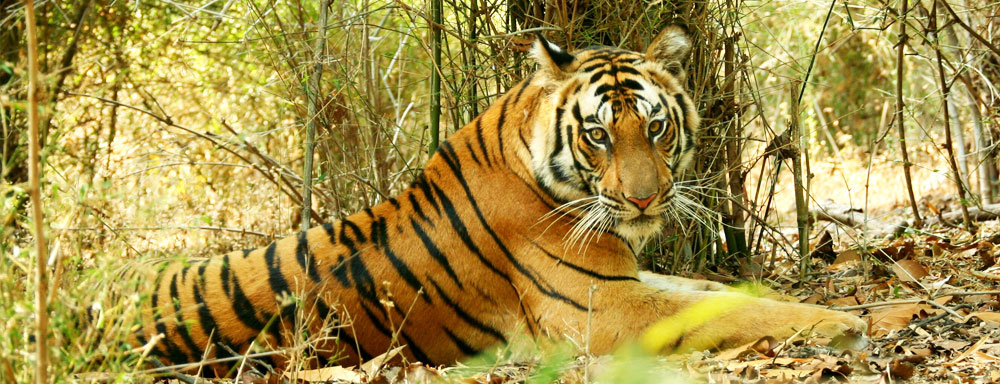
The Royal Bengal Tiger is the most famous predator in India, and it is characterized by the use of bold black stripes on an orange color. These are very strong cats which could weigh as much as 220 Kilograms and have a 10-foot length. Bengal Tigers are fond of forests that are dense forests and grasslands where they hunt in the morning and evening. Being a land animal, its territorial instinct implies that every tiger occupies 60-100 square kilometers of land.
The Indian Elephants also have smaller ears and lighter skins, unlike their African counterparts. These clever mammals become participants of an elaborate society governed by the aged matriarchs. The height of adult bulls varies up to 3 meters, and they weigh as much as 5,000 kilograms. They have a daily sustenance of 150-300 kilograms of vegetation and which needs huge lands to maintain a sustainable population.
Asiatic Lions have distinct belly folds and smaller manes than their African counterparts. These social cats are smaller in that they have a smaller number of prides, which range between 2-3 adult females with cubs. By the age of five, males will have developed magnificent manes, but not as voluminous as their African counterparts. Their hunting techniques include group work that aims at killing deer and wild boar.
The Indian Leopards demonstrate an unbelievable range of adaptability, as they live in a variety of habitats, such as in the jungle and semi-arid areas. Their attention gets camouflaged by the rosette on their coats in dappled forest light. These lone hunters are very good at climbing trees and regularly storing kills far higher up in the trees. Grown leopards are 30-70 kilograms, and their bodies are muscular and compact.
Sloth Bears have messy black fur and have large cream chest spots. They have long snouts and sharp claws, probably the best hunters of termites and ants. These bears are good climbers that defy their weight of 80-140 kilograms. Bears' mothers have cubs on their backs to protect them during the journeys.
These rare indian animals are a matter of finding, and this is difficult as one has to be patient with knowledge and much luck. These ghost animals are the jewel of the Indian wildlife view.
The snow leopards live above 3,000 meters above the Himalaya range. They have thick fur and large paws to allow them to adapt to extreme cold and deep snow. These big cats have very long tails to give their balance as they traverse across the rocky cliffs. Chances of spotting get higher in the winter months when the prey migrates to lower altitudes.
Red Pandas are depicted as having russet fur with unique features on their faces that look like a raccoon. These tree living mammals spend much of their daylight time sleep in tree holes. They have semi-retractable claws and flexible ankles that assist them in descending trees headfirst. Red Pandas use different types of vocalizations, such as chirping, squeaking, and huffing sounds.
Clouded Leopards have the longest canine teeth in proportion to their body size of all wild cats. The cloud-like patterns of their coats give them superior cover in the dense canopy of forests. These medium-sized cats are very good climbers, and usually they sleep on flat branches. Clouded Leopards are active both during the day as well as in night.
Fishing Cats have distinct swimming skills among wild Felines; they dive and disappear underwater in pursuit of the fish. Their semi-webbed feet, accompanied by a waterproof coat, permit underwater hunting. These felines prefer water bodies by choosing reed beds and mangrove swamps. Fishing Cats use scent organs and auditory vocalisations in marking their territory.
The habitats of the Nilgiri Tahr are in the steep rocky slopes of the Western Ghats mountains. The mature males grow thickened down down-turned horns and brown black coats during the breeding season. They are sure-footed animals that live in herds of 12-20 of them and are dominated by males. They have a thick coat, which is used as insulation against cold mountain weather.
Lion-Tailed Macaques are distinctive with silver masks around black faces with very expressive eyes. These monkeys like dense canopy forests; rarely do they go to the ground. There are 10-20 people in social groups, and they have intricate relations of subordination. Their loud calls keep the group together throughout the dense forest as it piles up.
Gharials are one of the most endangered crocodilians in the world, with fewer than 200 breeding adults. During the mating period, special bulbous nasal protrusions called gharas grow in males to help them utter vocal calls. These large reptiles, which can reach a length of 6 meters, feed only on fish. Gharials are found in deep river pools and fast water.
Amongst the heaviest flying birds in the Global Great Indian Bustards weigh up to 15 kilograms. Their extravagant courtship behaviour includes inflating their throat pouch and performing ritualistic dance movements. They occupy open grassland, open savanna and scrub with low-growing thorny growth. Power lines are a major threat to declining numbers.
Hangul deer is found in high-altitude meadows as well as forests of the Kashmir states. A big branching antler is sported by males, which they shed every year after breeding season. These deer are influenced to form seasonal groupings, separate males from females outside of breeding periods. For survival in winter, it was important to find sheltered areas with an adequate supply of food.
Wild Water Buffaloes are the predecessors of the domesticated buffalo, and they are more anglicized and more violent in nature. Adult males have impressive, massive curved horns of up to 2 meters tip-to-tip. These grazers prefer grazing in grassland located near water to wallow. They exist in the wild only in northeastern India and Chhattisgarh.
Snow leopard, red pandas and Himalayan black bears are found in the Himalayan region. Valley of flowers National park boasts alpine species of wildlife and wildflower meadows. Blue sheep, musk deer, and more than 200 bird species are protected in the Great Himalayan National Park.
Sanctuaries of Rajasthan have black bucks, chinkaras and desert foxes. Sariska Tiger Reserve is a mix of wildlife exploration and sightseeing of historical places. At Desert National Park, the endangered Great Indian Bustard can be seen through camel safaris.
In the state of Madhya Pradesh, a total of several reserves are interlinked by wildlife corridors, bringing Madhya Pradesh the title of being the Indian Tiger State. The Pench National Park is located in two states with a wide range of landscapes, including forests the open grasslands. Satpura National Park offers special walking safaris and canoe adventures.
The tribals of Chhattisgarhconserve wild buffalos, tigers and cave ecosystems. The park consists of the most recent fragment of the wild Asian buffalo located in central India.
The biodiversity hotspot known as the Western Ghats has endemic species not found anywhere else on earth. Nilgiri Biosphere Reserve interlinks the wildlife regions of Tamil Nadu, Kerala and Karnataka. Lion- tailed macaques and Nilgiri langurs are preserved in Silent Valley National Park.
Wildlife circuits in Maharashtra are the Tadoba Tiger Reserve, which is well-known because of its wonderful tigers and prehistoric caves. The endemic animal (Malabar giant squirrel) is found in Bhimashankar Wildlife Sanctuary.
The Sundarbans National Park forms the biggest mangrove ecosystem in the world with swimming tigers and the saltwater crocodiles. Chilika Lake serves as a ground for migratory birds, to the tune of millions of migratory birds such as flamingos and pelicans. Bhitarkanika Wildlife Sanctuary is filled with giant saltwater crocodiles and hatching sea turtles.
The variety of wildlife in West Bengal stretches from the foothills of the Himalaya to wetlands. Increasingly, the Indian rhinoceros and the Asian elephant are safeguarded in the Jaldapara National Park in north Bengal.
The backwaters in Kerala are a mixture of wildlife and culture experiences. Periyar national park provides a trip in spice plantations as well as boat cruises of wildlife. The Wayanad wildlife sanctuary links with the Nagarhole and Bandipur, resulting in extensive wildlife flagitiousness locally.
The tiger reserves in Karnataka are Nagarhole National Park, a park that has tigers, leopards, as well as elephants. Located in one of the world's birding hotspots, the Bhadra Wildlife Sanctuary offers a good deal of birdwatching opportunities with more than 250 species recorded.
The endangered species are preserved in hill stations of Tamil Nadu such as Nilgiri tahr and grizzled giant squirrels. Mudumalai National Park is included as part of the biosphere reserve of Nilgiri. Anamalai Tiger Reserve boasts of the Asian elephant and lion-tailed macaque.
Knowledge of potentially dangerous animals in India results in safe and fun wildlife experience. Such species are not to be feared but respected with due precaution.
The King Cobra is the longest venomous snake in the world that growing to a length of 5.5 meters. They also have a neurotoxic venom that could be fatal in less than 30 minutes unless attended to swiftly by medics. Such beautiful reptiles live in the high forests with water bodies and mainly prey on other snakes. King Cobras have warning signs, such as opening their hood and hissing, before making the attack.
Safety Protocol : Stay at least 10 meters away from any big snake. Go in boots and flashlights whenever walking through the forest at night. Never touch or photograph snakes or ever make a close approach to them without the guidance of an expert.
The Indian Leopards are of great concern, since they tend to adapt to human-transformed landscapes. Such strong cats can jump 6 meters horizontally and can also climb trees very well. When injured or old, leopards can no longer hunt wild animals; they occasionally resort to livestock or to human beings as prey. Leopard attack occurs in the early morning hours, dusk, or night hours.
Safety Precautions: Do not walk alone in areas where leopards roam common especially at low-light periods. During night safaris, it is better to lock the cars and shut the windows. A report of the presence of leopards to forest authorities should be done as soon as the community sees them to ensure safety.
Bengal Tigers usually stay away from people, but may be scary when driven to a corner, when defending cubs or defending an area. These huge cats may have a weight of 220 kilograms, and they may jump a distance of 10 meters. The majority of the cases of attack by tigers happen initially when humans surprise tigers in close quarters. Injured tigers are extremely dangerous because they are more aggressive and hopeless.
Encounter Guidelines: During the tiger safari tour, it is not advisable to get off the vehicle without the instruction of the guide. Be quietly silent when you see tigers, as they should not feel stressful due to noise. Use set trails and remember not to go beyond the restrictions of the forest department.
Asian Elephants turn very savage during musth time, in which males undergo hormonal changes. The massive animals can charge up to 40 kilometers an hour, even though they are very intelligent. Mother elephants with their captives are ferocious and can attack enemies without prior notice. Rural communities are subject to threats from crop-raiding elephants in and around the villages.
Safety Steps: Give a distance of at least 100 meters to all the wild elephants. Run vehicle engines in case one needs quick escape routes in case of elephant encounters. Never approach elephants on foot, even those that look composed.
Indian Bison are the huge wild cattle in Asia, with adult males having a maximum weight of 1000 kilograms. These formidable herbivores are temperamental, and they are fierce when they feel threatened or during mating season. They have massive horns and a muscular body that makes them a force to reckon with, even against tigers. Lonesome bulls are erratic in their behavior as compared to herd animals.
Safety Recommendations: Watch Gaur only on vehicles or at a raised place. Do not wear eye-catching outfits that are likely to cause territorial behavior. Do not interfere with their pastures or source of water.
Saltwater Crocodiles live in mangroves, especially in Sundarbans National Park. These ancient killers are able to grow up to 7 meters long and stand still in one place, waiting hours and then returning to sudden attacks. Their strong jaws have crushing power, able to crack bones in the blink of an second. The crocodiles are not afraid of man, and when in the shallow waters, they hunt down their prey.
Water Safety Rules: At no time should people swim or wade in crocodile (habitat) areas. Observe safety level distances in boat safaris. One should use viewing platforms and follow to guidance carefully.
Indian Rock Pythons are nonvenomous and kill their prey by constriction, growing to as much as 6 meters. The strong snakes are able to overcome animals that are big, like deer, using muscular coils. Pythons are not poisonous, but bite wounds and infections are serious. Small children and pets are under real threat from large pythons.
Python Precautions: Keep all of the large snakes well away, no matter which species they belong to. One should never treat pythons without relevant competence and tools. In settled places, report sightings of the python to the wildlife authorities.
The deep bond between animals in Indian mythology and spiritual culture holds strong cultural values in conservation of animals in the wild. Such holy affiliations affect the interaction and protection of different species amongst the communities.
Existence of elephants symbolises wisdom, prosperity, and the destruction of difficulties embodied in Lord Ganesha, an elephant-headed form. India has Hindu temples that are decorated with sculptures of an elephant and live elephants on religious occasions. The memory, smartness, and family background of the elephant indicate the divine attributes that are worshipped in Hinduism. Elephants, as living forms of good luck, are paraded in the festival processions.
Cultural Impact: The temple elephants are given an extra special treatment, as well as being revered in some way, which helps in shaping good attitudes towards the conservation of the wild elephants. Instead of destroying crops, people in communities who are likely to lose crops because of the elephant crop raid tend to look at it as a test of God.
Lord Kartikeya (Murugan) rides on peacocks, which bring with them beauty, grace and protection against evil beings. Their rainbow feathers bear the symbolic meaning of omniscient eyes of divine consciousness in Hindu iconography. Krishna has a crown that is decorated with peacock feathers, and this bird is associated with godly love and playfulness. According to customary beliefs, monsoon is attained by rain dances performed by peacocks.
Life Significance: The presence of spiritual value as a mythological bird contributes to the protection of peacocks in India as the country's bird. Rural villagers usually welcome peacocks even after destroying crops, seeing them as a good omen, and visiting them.
The Hindu mythology of death and change through Lord Shiva lies in the image of the cobra and the python. The snake Vasuki acts as the necklace of Shiva, as a sign of time and for a moment, immortality. Naga worship embraces snake gods that regulate rain, fecundity and ground riches. Such reptiles are appreciated and respected through Snake festivals all over India as a guard instead of a menace.
Religion Culture: On the Nag Panchami festival, people present offerings of milk and flowers in snake holes to their deities. Most cultures are opposed to the killing of snakes as this was believed to contain the souls of the departed ancestors.
Cows bring about motherhood, generosity, as well as non-violence when it comes to Hindu tradition, and hence enjoy protection in most parts of India. The childhood stories of Krishna refer to the divine relationship between human beings and the cows with the help of pastoral life. The attitudes of wildlife conservation are shaped by cow protection movements in that the care is extended to all creatures. Worshipping at the festivals is the expression of homage to Nandi, the celestial conveyance of Shiva.
Environmental Impact: The sensitivity towards cow protection can extend to other wild bovines such as gaur and wild buffalo towards strengthening their protection status.
The form of monkey of Hanuman in the Ramayana epic denotes dedication, heroism and service to justice. The langur is an Indian monkey that is given special protection in Hanuman temples. Devotees usually offer food to monkey troops, which are common in temple complexes. Folk stories refer to monkeys as mediators between the God and human worlds.
Conservation Advantages: Religious monkey safeguards play the role of conserving primate habitats and minimizing the conflict between people and monkeys in most parts of the world.
Tigers are the carriage of Goddess Durga and symbolize the divine female force and guardian of the innocent. Tribal societies pay a lot of regard and worship tigers as ancestral spirits, dwellers of forests. The imagery used in religious art of tiger skin depicts the overcoming of the ego and material lust. Some local gods are specifically guarding the tigers and their hunting grounds.
Cultural Conservation: The religious respect for the tiger is promoting cultural conservation that results in poaching being abhorrent in most societies.
Swans are the symbols of wisdom, purity and discrimination between truth and falsehood as the vehicle of Goddess Saraswati. Their elegant movement in water symbolizes the trip of the soul in its encounter with living hardships. The migration pattern of swans directs farm scheduling and seasonal events in certain places. White swan symbolism can be observed in classical dancing and poetry in the form of divine inspiration symbols.
Wetland Protection: The sacred swan organizations do aid in the safeguarding of wetland habitat that is vital to the conservation of the migrating waterfowl.
The project tiger introduced in 1973 has boosted the population of tigers to an estimate of more than 3000 animals. The technology of camera traps allows tracking the movements of tigers and avoiding poaching. Association of the communities with tiger conservation provides them with the opportunity to attain sustainable wildlife tourism.
Responsible tourism to wildlife brings large amounts of money into the Tiger reserves, which is used towards conservation. The local communities are improving because they earn employment in the sense of being tour guides, drivers, and in the hospitality industry.
The population of one-horned rhinoceroses was brought close to the brink of extinction and brought back to life by concerted efforts to conserve them. Although the national park was created in response to a situation of low population, Kaziranga has achieved success in restoring the number of rhinos, which was 12 to more than 2,400. Some of the anti-poaching strategies involve the use of armed guards, advanced surveillance technology.
The translocation efforts introduce the Rhino in new locations in appropriate habitats. Manas National Park has been able to reintroduce rhino where there are no more conflicts in the area.
At Gir National Park, there were 20 lions in 1913, whereas there are more than 670 of these lions today. Participation in lion conservation by communities brings about pride and economies. Lion safari tourism is a source of sustainable income to the people of Gujarat.
The planning is to translocate second lion populations in Madhya Pradesh. Asiatic lions in Gir are to be moved to Kuno National Park, which has been prepared to accommodate them.
Red pandas are found to live in the high elevated forests of Sikkim and Arunachal Pradesh. Those cute little animals are endangered because of their habitat and climate. There are special tours to red panda habitats at the best times of viewing.
The snow leopards inhabit the Trans- Himalayas of Ladakh and Himachal Pradesh. These rare cats can be difficult to find, and one needs a lot of patience and knowledge to see these cats in their harshest places in the mountains. Snow leopard tourism based on the community is advantageous to the local shepherds.
In Gujarat and Tamil Nadu coasts, the dugongs graze in the seagrass beds. Fishing nets and boat propellers are the dangers to these gentle marine mammals. There are also specialized boat tours on locating dugongs in their natural environment.
The whale shark makes visits to the Gujarat waters at a specified time, making it a special dive location. Whale shark tourism promotes the income of fishing communities, and it also creates awareness of conservation.
The only scaled mammals in the world, pangolins, live in different forests of India. This is because these nightmarish animals are under serious poaching pressure to be used in illegal commerce. Wildlife sanctuaries have created special protection to preserve pangolin.
In the Western Ghats, the canopies and the ground areas are dominated by the king cobras. These glorious snakes are very essential in the regulation of rodents. There are specially guided reptile tours where different species of snakes are shown.
Himalayan blue sheep move on steep hills with ease. These feral sheep form the food of snow leopards and wolves. One can see these tough mountain dwellers during high-altitude treks.
Yaks maintain extremely high altitudes of above 4,000 meters, serving the local communities with milk, meat, and transportation. Wild relatives mingle through domestic yak herds in remote valleys.
Lion-tailed macaques favor the evergreen forests because these particular macaques have very noticeable manes and tufted tails. Human development is fragmenting the habitat of these endangered primates. There are special primate tours which are aimed at macaque conservation.
Nilgiri langur live in cold weather forests adopting thick fur cover. These arboreal leaf-eating monkeys live in large groups and are easily seen in the mornings.
Great Indian Bustards are flagship Indian grassland and desert species. These are giant birds that are at risk of extinction, as there are fewer than 200 in the world. Conservation breeding breeds are used to boost the number of bustards.
The Black Bucks are very swift and agile in grassland. The antelopes can be found in large herds in sanctuaries such as Blackbuck National Park in Gujarat.
This period is the best time to view and visit the wildlife in most Indian destinations, and this is between October and March. Animal activity under cool weather is promoted in the daytime. The scarcity of water leads to gatherings of animals.
The monsoon seasons turn the lands into a green utopia and increase the abundance of wildlife. In some of the parks, there is a closure in the case of heavy rains owing to animal welfare and the safety of visitors.
Tiger special tours major on tiger reserves that are highly successful. Photography tours also feature professional assistance and logistics gear to record wildlife. There are educational elements of a safari that involve the children in the family-friendly safaris.
Bird watching trips are timed on the arrival of migratory birds during particular seasons. Local specialties and rare sightings can be aimed at in an endemic bird tour. Butterfly tours are insect photography meets botanical interests.
Jungle lodges offer jungle experiences in the environment where wild animals live. Eco-resorts are luxury hotels with sustainability and awareness. Cheap accommodations will be forest guest houses and camping sites.
Staying in communities provides a true cultural exposure with wild life adventures. Traditional knowledge analysis of the local families' tradition is shared regarding animal behavior and forest ecology.
Royal Bengal Tiger is the national animal of India and symbolizes strength, power and grace. Tigers are India's wonderful biodiversity & conservation efforts. They are great creations and you will find them in different India national parks like Ranthambore, Sundarbans and others.
India has astounding wildlife such as tigers, elephants, rhinos, lions, leopards, sloth bears, wild dogs and various kinds of deer. The nation conserves more than 400 species of mammals and 1,200 species of birds, and numbers of reptiles, amphibians, and insects in various ecosystems.
The Indian Ocean around India can be populated by the whale shark, dugong, dolphin, sea turtle, manta ray and other whale species. Coral reefs contain bright colored fish, sea snakes and crustaceans. Mangroves that grow along coastal lands also act as breeding sites for various sea creatures.
There are also a few animals which are sacred in India, such as the elephant (it is associated with the lord Ganesha), the cow (Hinduism also considers it a sacred animal), the monkey (related to Hanuman), the cobra and the peacock(It is the national bird of India). These cultural affiliations affect the attitudes on wildlife conservation.
Ranthambore National Park gives good opportunities for tiger viewing, and the only place with Asiatic lions is Gir National Park. Kaziranga National Park is home to the one-horned rhino, and Jim Corbett National Park offers a variety of wildlife encounters. Different regions are focused on other species and habitats.
In most of Indian destinations, the months between October and March offer the best wildlife viewing. Animal activity in daytime will be promoted by cool, dry weather. Animals congregate next to water points during the summer months (April-June), making it ideal to see animals, although the heat is demanding.
India is a country that holds a high standard of safety in regards to wildlife safari by having a good deal of experience in guides, well-shuttled vehicles, and Protocol. Registered operators are guided by the rules and regulations of the forest department and have insurance cover. Visitors are also expected to follow the instructions of the guides and observe wildlife viewing regulations.
Clothes with neutral colors, comfortable shoes to walk in, protection against the sun and insects, binoculars, a camera, and any medicines that one may take should be brought along. Temperature changes between the early morning and midday activities in the safari are best suited by light layers.
Prices of the wildlife tours differ considerably depending on the levels of accommodation and the number of participants, and the services to be offered. The cheapest travel options are around $50-100 per day, whereas the luxury ones are more than 500 per day. They are good value in terms of packages purchased compared to booking separately.
Indian national parks usually allow undertaking of wildlife photography but with certain limitations. Special permits and charges might be necessary for professional equipment. The taking of flash photos may not be allowed to disrupt animals. The drones need certain approval of the forest departments.
Telephoto lenses are very necessary when shooting wild animals under Indian conditions. Lens 300-600mm ensures the safety distance and close shots of portraits. High shutter speeds ensure that the animals are captured in large motion pictures.
Noise in the camera is avoided because of silent shooting modes that do not intimidate the wild. Brisk ISO capability makes it easy to take images even in early mornings and late evenings lighting.
The environmental portraits demonstrate animals in natural habitats and not a single subject. The subordinate elements, such as the leading lines including rivers, paths, and fallen tree trunks, are used to direct the attention of the viewer to the wildlife.
The golden hour lighting occurs at the first and last safari hours to come up with warm, dramatic pictures of wildlife. Backlighting gives beautiful effects to the animals in the colorful skies.
Posing animals or predicting their behaviour takes individual experience and time. The tigers tend to mark their territory, the elephants bathe regularly, and the birds feed in very predictable patterns.
These shooting modes are continuous and record a series of activities and interactions of animals. All these action scenes make full stories of the behavior of wildlife and social relationships.
India's Wildlife heritage is one of the greatest treasures of nature in the world. Whether it is tigers of Ranthambore or the one-horned rhinoceros of Kaziranga, all the wildlife experiences leave lifelong memories. Sustainable tourism, coupled with conservation efforts of the country, guarantees that these wonderful animals will continue to inspire our future generations.
The wildlife animal in India adventure will be filled with rich landscapes and ecosystems with their own experiences to offer of some amazing creatures. Need a tiger safari tour or a nice elephant view, or witnessing the colorful birds flying, India will give you all the privacy and fun you want as far as wildlife tourism is concerned.
Pick your destination, take your camera and be ready to behold the fantastic wildlife species of animals in India that make this subcontinent the real wildlife haven. All safaris help in the conservation of the places, benefit local communities and preserve these beautiful animals for future generations.